


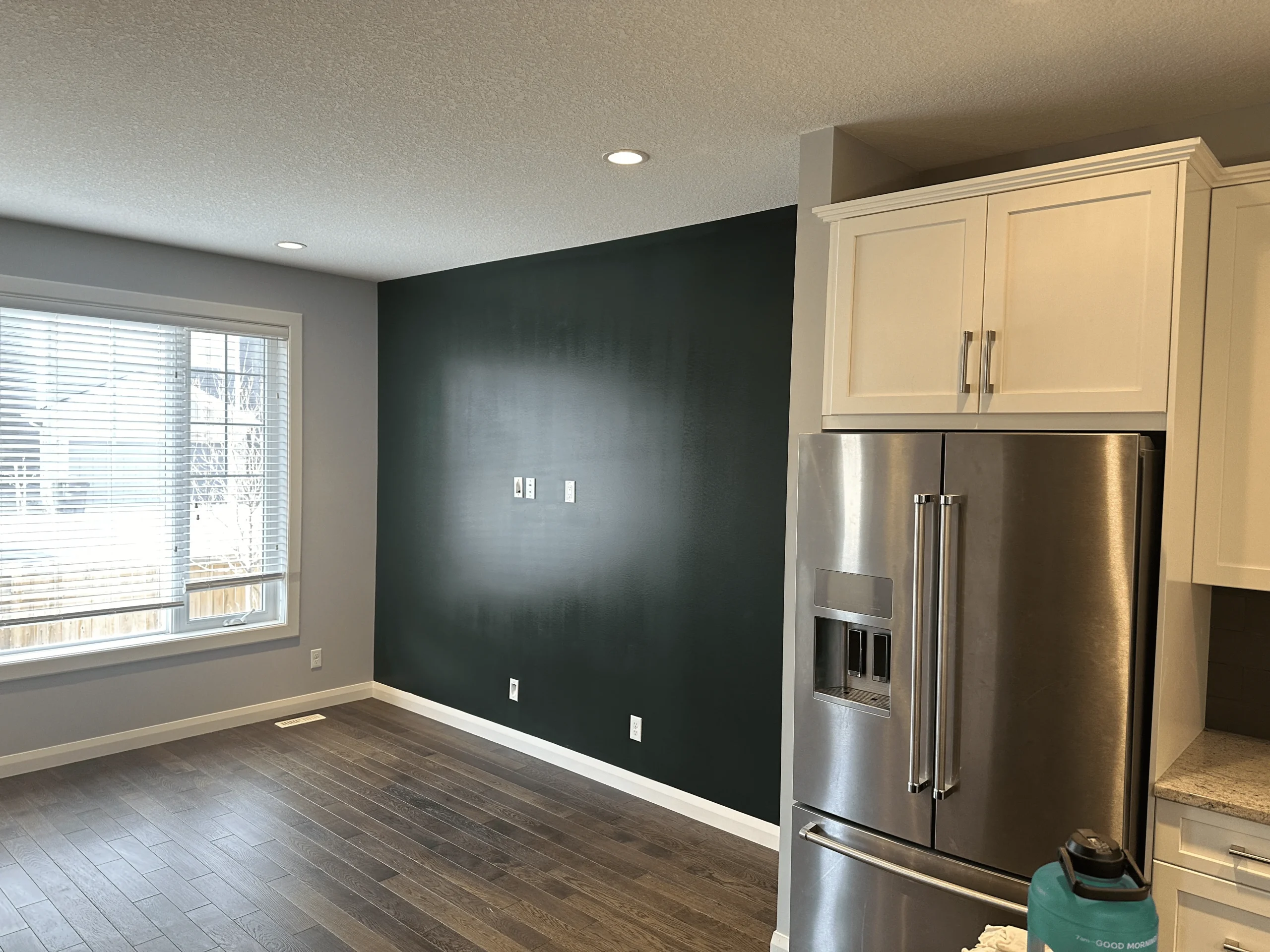
Choosing the ideal paint color for your bedroom is more than just about picking your favorite hue. The right colour can set the tone for your space, influence your mood, and enhance your overall bedroom experience. This guide will walk you through the essential considerations for bedroom painting, covering everything from color psychology to testing techniques. Let’s dive in and explore how to choose the perfect paint color for a bedroom that suits your style and needs.
Why Bedroom Painting Matters
Impact on Mood and Comfort
The paint color you select for your bedroom has a direct impact on your mood and sense of comfort. For example, certain colours like blue can create a calming effect, ideal for promoting relaxation. Others, like vibrant reds or yellows, can stimulate energy. Selecting the right bedroom paint color ensures that the room is more than just aesthetically pleasing—it becomes a space where you can unwind and feel at ease.
Colour Psychology and Emotional Influence
Understanding colour psychology is essential for bedroom painting. Different shades invoke different emotional responses. A soft green can foster tranquility, while a deep navy blue can add a feeling of serenity and security. Red, on the other hand, is often associated with energy and passion. Colour psychology ties directly into how a room will make you feel, affecting your sleep and relaxation.
Consider Your Bedroom’s Style
Modern vs. Traditional
The style of your bedroom plays a significant role in choosing the perfect paint colour. Modern bedrooms often look best with clean lines and muted tones like greys, whites, or minimalistic blues. Traditional bedrooms, however, might benefit from deeper, richer tones such as dark greens, maroons, or gold. Your room’s aesthetic should guide the colour choice to maintain a cohesive style.
Personal Style Preferences
Beyond style trends, personal taste is crucial. You may prefer light pastel colours to create a soft, airy feel or bold, dramatic hues to make a statement. Your bedroom should reflect who you are, so consider what colours make you feel the most comfortable and relaxed.
Understanding Colour Psychology in Bedroom Painting
Colours and Their Emotional Effects
Each colour has an inherent psychological effect. Here’s a breakdown of the most common colours and how they influence our emotions:
- Blue: Calming and peaceful, perfect for unwinding after a long day.
- Green: Associated with balance, health, and nature, ideal for restful sleep.
- Yellow: Energizing and uplifting, but may be too stimulating in large doses.
- Red: Known for its stimulating and passionate qualities, often best used as an accent.
- Purple: Evokes creativity and luxury, adding sophistication to the bedroom.
Warm vs. Cool Colours
Warm colours, like oranges, reds, and yellows, tend to add energy to the room. They are best suited for spaces where you want to feel active and inspired. Cool colours, like blues, greens, and purples, tend to have a calming effect, making them ideal for spaces designed for relaxation and sleep.
Factors to Consider Before You Start Bedroom Painting
Room Size and Shape
The size of your bedroom directly affects how colours will appear. Lighter tones make small rooms feel bigger, while darker shades can make larger rooms feel more intimate and cozy. Consider how the paint colour will influence the space’s visual appeal.
Natural Light and Lighting Effects
Natural light can dramatically alter how a colour appears on your walls. If your bedroom has plenty of windows, you can afford to use darker shades. On the other hand, rooms with limited natural light benefit from lighter shades, which help to reflect light and brighten up the space. Always test how colours look in both natural and artificial lighting before committing.
Existing Furniture and Decor
Your bedroom’s furniture and decor should work harmoniously with the paint colour. If you have bold furniture or vibrant accents, consider choosing neutral or softer tones for the walls. If your furniture is more minimalist, feel free to explore bolder colour choices for a dynamic contrast.
Popular Bedroom Colours and Their Vibes
Serene Blues and Greens
These colours are synonymous with calm and relaxation. Soft blues and greens are ideal for creating a peaceful sanctuary where you can unwind. They are particularly well-suited for bedrooms designed for rest and rejuvenation. Think of hues like aqua, sage, or pastel green.
Bold Reds and Yellows
For a bedroom that exudes energy and vibrancy, reds and yellows are perfect. These colours can stimulate passion and creativity, making them ideal for individuals who want a dynamic atmosphere. Use them for accent walls or smaller sections of the room to avoid overwhelming the space.
Subtle Neutrals
Neutrals like beige, gray, and white create a timeless and understated look. These colours offer a balanced environment that works well with almost any decor. Neutrals provide a calming backdrop and make it easy to mix in bolder accents or textures without clashing.
How to Test Paint Colours Effectively
Testing Samples in Different Lighting Conditions
Always test paint colours before you make a final decision. Apply samples to your bedroom walls in large patches and observe how they look at different times of the day. Lighting can significantly alter how colours appear, so testing in both daylight and artificial light is essential.
Using Paint Swatches on Your Walls
To get an accurate idea of how a paint colour will appear in your bedroom, use large paint swatches rather than small sample cards. This gives you a better understanding of how the colour will cover the surface and look in the room’s context.
Finishing Touches: Complementary Accents and Colours
Accent Walls and Complementary Colours
Accent walls can add depth and interest to your bedroom. Choose a darker or bolder colour for one wall to create a focal point. Pair it with complementary colours in accessories such as pillows, throws, and rugs to tie the room together. Be mindful of balancing the boldness of your accent wall with other subtle hues in the room.
Pairing with Fabrics and Accessories
Consider how your paint colour interacts with your bedroom textiles. Bedding, curtains, and rugs are key elements that influence the overall feel of the space. Choose fabrics in complementary or contrasting colours that enhance the room’s mood while still keeping it cohesive.
What Are the Leading Bedroom Painting Trends for 2025?
Emerging trends include:
- Desaturated greens and ocean-inspired blues
- Powder tones such as mauve or blush
- Earth minerals like ochre and terracotta
- Two-tone transitions between ceiling and wall
Designers use these palettes to foster harmony and wellness. Monster Painting integrates these trends with substrate compatibility and finish selection.
What Mistakes Should Be Avoided During Bedroom Painting?
There are 6 common errors in bedroom painting:
- Choosing colours under artificial store lighting
- Ignoring primer application
- Using high-gloss in poorly lit rooms
- Overlooking trim and ceiling integration
- Selecting dark colours in low-ceiling areas
- Applying paint before moisture testing walls
These errors lead to finish failure, visual imbalance, or repainting expenses.
Why Monster Paint is the Best Choice for Bedroom Painting
Premium Quality Paints
When selecting a paint for your bedroom, opt for a high-quality brand like Monster Paint. Known for its rich pigments and smooth finish, Monster Paint guarantees long-lasting results, ensuring that your bedroom walls remain fresh and vibrant for years to come.
Durable Finishes
Monster Paint offers durable finishes that stand up to everyday wear and tear. Whether you have children, pets, or a busy lifestyle, Monster Paint’s formulations provide excellent resistance to scuff marks and stains, making it the perfect choice for high-traffic bedrooms.
Final Thoughts on Bedroom Painting
Choosing the right paint colour for your bedroom isn’t just about aesthetics; it’s about creating a space that reflects your personal style while promoting comfort and relaxation. Take your time, test your options, and consider all the factors involved—lighting, furniture, and room size—before making your decision. For the best results, trust a premium brand like Monster Paint to bring your vision to life with its high-quality, long-lasting finishes.
FAQs
How to paint a bedroom effectively?
To paint a bedroom effectively, start by preparing the room—clean and cover furniture, tape off edges, and apply a primer. Choose the right paint type (e.g., matte for a calm vibe or satin for a shiny finish), and use quality brushes and rollers for smooth coverage. Don’t forget to test paint samples on the wall before committing.
How long does it take to paint a bedroom?
On average, painting a bedroom takes between 4 to 8 hours, depending on the room size and the complexity of the job. Adding an extra coat of paint can take an additional 2-3 hours. Be sure to allow drying time between coats, which can vary from 1-4 hours.
Can I use kitchen paint in my bedroom?
It’s best to use paint specifically designed for bedrooms. Kitchen paints are typically more durable and resistant to moisture, but they can have a different finish or sheen that might not be ideal for bedroom aesthetics. Bedroom paints are designed to create a calming atmosphere, so choose a product that fits your needs.
Can I use bathroom paint in my bedroom?
While bathroom paints are designed for high-moisture environments, they tend to have higher gloss levels, which may not be ideal for creating the calming effect needed in a bedroom. It is better to choose a paint specifically designed for bedroom environments to ensure a comfortable atmosphere.
Can I use oil-based paint in my bedroom?
Oil-based paints are durable and provide a smooth finish but have strong fumes and longer drying times. These factors make them less suitable for a bedroom. It is better to use water-based paints, which offer quick drying times and low VOC levels, making them a safer choice for interior spaces like the bedroom.
Can I sleep in the bedroom immediately after painting?
After painting, it is essential to wait 24 to 48 hours before sleeping in the room. This allows the paint to dry fully and helps reduce exposure to lingering fumes. Proper ventilation during this time is crucial for a safer sleeping environment.
How much paint do I need to paint a bedroom?
The amount of paint required depends on the size of the room and the number of coats needed. On average, one gallon of paint covers about 350 square feet. For a standard 10×12 foot room, you will typically need 2 to 3 gallons of paint, depending on the wall surface and desired coverage.